Getting Published:
The Basics for Book Writers
By Glen C. Strathy
Getting published is the goal of every book writer. For older writers, publishing that first book may be the fulfilment of a lifelong dream. For young writers, it can be an achievement that launches a career as a professional writer.
Either way, that first sale is a big deal. It's a milestone that establishes you as a serious writer. Let's face it, most of us who love to write spent a lot of our youth dreaming of getting our books published. Authors have prestige. They are romantic figures. A few of them even make a lot of money. While there are plenty of other types of writing at which a competent, if not brilliant, writer can make a living – such as copywriting, technical writing, speech writing, or grant writing – none of these are romantic or prestigious occupations. How many high school English classrooms have portraits of famous technical writers on their walls? How many famous copywriters can you name?
These days, you have more ways to get published, such as ebooks, self-publishing, and print-on-demand, which may be commercially successful, but often are not. Generally, if you want to make money, have great book, but don't love entrepreneurship, you are probably better off going the traditional route.
The Process of Getting Published
The articles below discuss the many aspects to the process of getting published...
Self Publishing vs. Traditional Publishing
Discover the advantages and disadvantages of self publishing versus working with traditional publishers.
The 5-step process for finding a traditional publisher (best for books with solid commercial potential).
How to Write a Book Proposal for Non-Fiction
Writing a book proposal is an essential step in getting a nonfiction book published. Here are the basic principles of writing a proper proposal.
Agents and editors expect manuscripts to follow the accepted format. It makes their work easier and makes the writer look more professional. Fortunately, it's fairly easy to get the format write. Here are the guidelines.
Manuscript Evaluation: A Useful precursor to getting published
Improve your chances of selling your book by soliciting a manuscript evaluation first.
How to Write a Synopsis of Your Novel
A common mistake when writing a synopsis is to omit the emotional twists and turns. Here's how to write a synopsis of your novel that includes that includes both plot and character.
Writing a query letter that addresses the needs of agents and editors will improve your chances of selling your book.

Backdoor Ways to Find a Publisher
Find a publisher for your book faster by exploring ways to get a publisher's attention other than the query process.
Get Published Using Online Slushpiles Learn how authors may get published through new online slushpiles faster than the traditional route.
- Home
- Publishing
Related articles you may enjoy...
Get Published Using Online Slushpiles
Authors may get published through new, online slushpiles faster than the traditional route.
How to Write a Synopsis of Your Novel
How to write a synopsis of your novel that isn't boring and hooks the reader.
Writing a Book Proposal: The Key to Selling a Non-Fiction Book
Writing a book proposal is the first step in marketing a nonfiction book to agents and publishers.


Search this site...
|
||
| site search by freefind |
100% Human Generated Content!
All
articles on this website were written by a human being -- one possessed of flaws and limitations, but also with a personal perspective and a desire to help fellow
writers. No article on this site was written by or with the aid of artificial intelligence (AI).
Popular Articles


Mini-Course
Never be stuck for a great story idea again! This online mini-course will show you how to create simple ideas for original characters and build a plot around each character that contains the essential elements needed for a compelling story.
Recent Articles


-
Trauma And Superpowers: How Do They Connect?
Mar 14, 24 03:59 PM
Question: I'm currently writing a story where MC1 can control darkness, MC2 can control plants, and MC3 can control machines. I want them to experience -
Using the actual names of people and places in memoir...
Mar 08, 24 03:01 PM
Question: I am writing a memoir of my years as a teacher. If I want to use real names, what is the protocol/requirement for getting permission? (Changing -
How to Write a Thriller
Feb 06, 24 01:59 PM
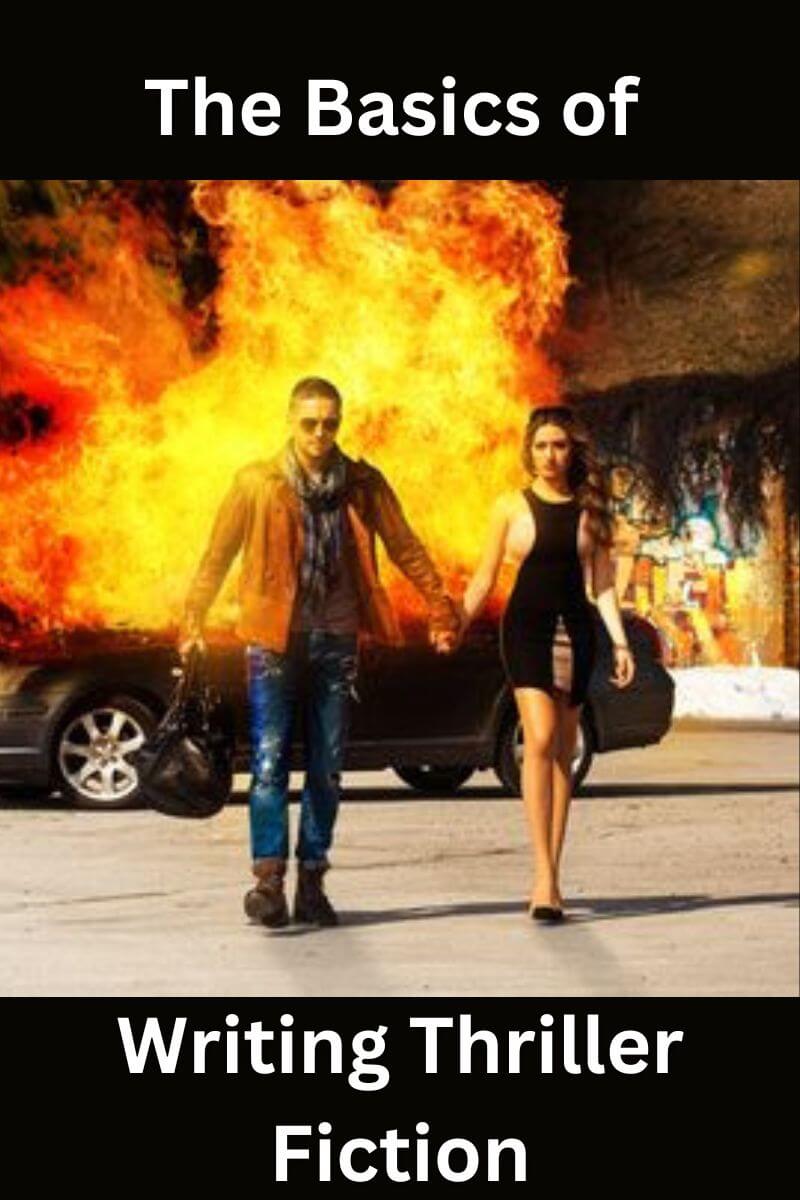 See how to write a thriller story -- the essential traits and plot structure.